 فيلادلفيا نيوز نجعل الخبر مبتدأ




فيلادلفيا نيوز
في عالم التكنولوجيا والذكاء الاصطناعي، حيث تتغير الأدوات والتقنيات بوتيرة متسارعة، قد لا يبدو اختيار الهاتف الذكي تفصيلاً عابراً أو عشوائياً لمن يعيشون في قلب هذه الصناعة، لا سيما قادة القطاع ورجال الأعمال.
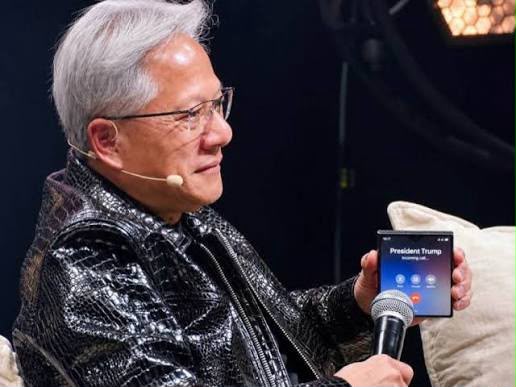
ولعل مشهد ظهور المؤسس والرئيس التنفيذي لشركة NVIDIA، جينسن هوانغ، مستخدماً أحدث هواتف سامسونج القابلة للطي، هاتف Galaxy Z Fold8، وذلك عندما تلقى اتصالاً مفاجئاً من الرئيس الأمريكي دونالد ترامب أثناء مشاركته في إحدى الجلسات المباشرة ضمن فعاليات قمة All-In التقنية، يقدم مثالاً لافتاً على ذلك، كما يعيد تسليط الضوء على اختيار أحد أبرز قادة صناعة التكنولوجيا لهاتف من سامسونج؛ ذلك أنه شوهد فيما سبق مستخدماً هاتف Galaxy Z Fold7.
وبعيداً عن هذا المشهد اللافت نفسه، تطرح هذه الواقعة سؤالاً أكثر أهمية يتمحور حول الميزات التي يبحث عنها المتخصص العامل في بيئة تقنية بهذا التعقيد ويطلب توافرها في الهاتف الذي يرافقه طوال يومه.
بالتأكيد، لا يتعلق الأمر بالنسبة إلى هذه الفئة من المستخدمين الذين تتداخل في يومهم سريع الإيقاع، الاجتماعات والمعلومات والمحتوى والتصوير والتواصل واتخاذ القرارات، بالهاتف كجهاز للتواصل، وإنما كأداة للعمل والتفكير والوصول إلى المعلومات وصناعة المحتوى وإنجاز المهام في الوقت المناسب. ولهذا، فإن قيمة الهاتف الرائد لا تتحدد فقط بعدد المزايا التي يقدمها، وإنما بقدرته على جمع هذه الإمكانات في تجربة واحدة أكثر سلاسة وذكاءً.
بيانات Counterpoint Research، الشركة العالمية المتخصصة في أبحاث السوق وتحليل البيانات في قطاع التكنولوجيا، والتي تغطي بشكل خاص أسواق الهواتف الذكية والأجهزة الإلكترونية والاتصالات، تشير إلى اتساع حضور سامسونج في سوق الهواتف الذكية؛ حيث بلغت حصتها العالمية ما نسبته 23% من شحنات الهواتف الذكية في الربع الثاني من العام الجاري 2026، مستعيدة مع هذا الرقم المركز الأول عالمياً، مع نمو سنوي بلغت نسبته 9%. وبحسب الشركة، فإن سلسلة هواتف Galaxy S26، ولا سيما إصدار Ultra، كانت من أبرز العوامل الرئيسية التي وقفت وراء هذا الأداء لسامسونج، مدفوعة بالطلب على مزايا الذكاء الاصطناعي وشاشة الخصوصية. وفي الولايات المتحدة، حيث تتنافس الهواتف الرائدة في واحدة من أكثر أسواق التكنولوجيا تطوراً، ارتفعت مبيعات سلسلة Galaxy S26 بنسبة 29% على أساس سنوي خلال أول ثلاثة أسابيع من توافرها، فيما استحوذ هاتف Galaxy S26 Ultra وحده على نحو 71% من مبيعات سلسلة Galaxy S خلال تلك الفترة.
هذه الأرقام لا تجيب وحدها عن السؤال وأسئلة كثيرة أهمها: “لماذا سامسونج؟”، لكنها تضع هواتف سامسونج وفي صدارتها هاتف Galaxy S26 Ultra في سياق أوسع: الهاتف لم يعد يُقاس فقط بما يمكنه فعله، وإنما بمدى قدرته على مواكبة طريقة عمل المستخدم وتفكيره وتفاعله مع العالم من حوله.
وهنا يأتي الذكاء الاصطناعي ليغير طبيعة العلاقة مع الهاتف؛ ففي هاتف Galaxy S26 Ultra، طورت سامسونج تجربة الذكاء الاصطناعي مع منظومة Galaxy AI المدمجة، لتعمل بصورة أكثر ارتباطاً بسياق المستخدم ونمط استخدامه، مقلصة المسافة بتقليل الخطوات بين ما يريده وما يريد إنجازه.
وتعد ميزة Now Nudge خير دليل على هذه التجربة المطورة، حيث تقدم اقتراحات مرتبطة بما يظهر على الشاشة، بينما توفر ميزة Now Brief معلومات وتذكيرات أكثر ارتباطاً بالسياق الشخصي للمستخدم. وتتكامل المنظومة مع مساعد سامسونج الذكي Bixby، ومساعدات الذكاء الاصطناعي ومحركات البحث الذكية مثل Gemini وPerplexity، بما يتيح استخدام لغة طبيعية للتفاعل مع الهاتف وتنفيذ بعض المهام دون الحاجة إلى التنقل يدوياً بين الإعدادات والتطبيقات.
وتصبح هذه القدرات أكثر أهمية عندما يتعلق الأمر بصناعة المحتوى؛ فالهاتف الذي يرافق المستخدم في الاجتماعات والفعاليات والتنقل يحتاج إلى أن يكون قادراً ليس فقط على التقاط اللحظة، بل أيضاً على تحويلها بسرعة إلى محتوى قابل للاستخدام والمشاركة. وهنا، تبرز كاميرا هاتف Galaxy S26 Ultra بدقة 200 ميجابكسل، إلى جانب الكاميرا فائقة الاتساع بدقة 50 ميجابكسل، وعدستي التقريب بدقة 10 و50 ميجابكسل، مع إمكانات تصوير بصري حتى 3 و5 أضعاف، مع تقريب بجودة بصرية عند 2 و10 أضعاف. وإلى جانب كل ذلك، فقد أدخلت سامسونج تحسينات كبيرة على التقاط الضوء، والتصوير في ظروف الإضاءة المنخفضة، وتصوير الفيديو، لتعمل بالتوازي مع أدوات تعتمد على الذكاء الاصطناعي لتحرير الصور وإنشاء المحتوى.
الذي يجيد قراءة ما بين السطور، سيجد أن الفارق هنا لا يكمن في الأرقام وحدها، بل في الطريقة التي تتكامل بها الكاميرا مع الذكاء الاصطناعي؛ فمن خلال أدوات مثل Photo Assist وCreative Studio، يمكن للمستخدم تحويل الأفكار إلى محتوى قابل للتعديل والمشاركة باستخدام أوامر بسيطة، وبالانتقال من التقاط الصورة إلى تعديلها بما يشمل إزالة عناصر غير مرغوب بها إلى تغيير تفاصيل الصورة أو تحسين تركيبها وتطويرها ومن ثم إعدادها للمشاركة ضمن تجربة أكثر اختصاراً للوقت والخطوات. وهكذا تصبح الكاميرا جزءاً من منظومة صناعة المحتوى، وليس مجرد عدسة متقدمة داخل الهاتف.
وفي الواقع، فإن هذا الأمر يعتبر مهماً بشكل خاص في بيئة عمل لا تتوقف فيها عملية إنتاج المحتوى عند المكتب؛ فالصورة قد تكون جزءاً من اجتماع، أو مادة لعرض تقديمي، أو توثيقاً لحدث.
أما بالنسبة إلى من يتعاملون يومياً مع معلومات أو محادثات أو مراسلات أو محتوى، وهم على الغالب قد لا يرغبون في مشاركته مع المحيطين بهم لحساسيته، فيقدم هاتف Galaxy S26 Ultra لهم ميزة شاشة الخصوصية Privacy Display المدمجة في الشاشة، والتي تحد من إمكانية رؤية محتوى الشاشة من الزوايا الجانبية، مع إمكانية تفعيلها في مواقف محددة مثل إدخال كلمات المرور أو استخدام تطبيقات معينة. وفي الاستخدام اليومي، تبرز أيضاً عناصر قد تبدو أقل لفتاً للانتباه لكنها أكثر ارتباطاً بطبيعة العمل المتنقل، مثل الأداء السلس الذي يتيح في هاتف Galaxy S26 Ultra تشغيل المهام المتعددة وميزات الذكاء الاصطناعي بكفاءة، إلى جانب التشغيل والعمر الافتراضي الطويل بفضل البطارية التي تبلغ سعتها 5 آلاف ميلي أمبير مع ميزة الشحن السريع الذي يقلل الوقت الذي يقضيه المستخدم بعيداً عن جهازه.
وفي النهاية، قد لا يكون اختيار الهاتف بالنسبة إلى شخص يعمل في قطاع التكنولوجيا متعلقاً بميزة واحدة أو بمواصفة منفردة؛ فالقيمة الحقيقية تظهر عندما يعمل الذكاء الاصطناعي والكاميرا والأداء والخصوصية معاً، لتقليل الخطوات بين الفكرة وتنفيذها، وبين التقاط اللحظة وتحويلها إلى محتوى، وبين الحاجة إلى المعلومات والوصول إليها.
وربما لهذا السبب، عندما يظهر هاتف سامسونج في يد أحد أبرز قادة صناعة التكنولوجيا، فإن القصة لا تتعلق بالهاتف وحده؛ بل بما أصبح الهاتف قادراً على القيام به عندما تتحول التكنولوجيا من مجموعة من الإمكانات إلى تجربة تفهم سياق المستخدم وتواكب طريقته في العمل والحياة.
When Technology Leaders Choose Samsung for an Experience That Goes Beyond the Conventional Smartphone
In the world of technology and artificial intelligence, where tools and technologies are evolving at an unprecedented pace, choosing a smartphone may hardly seem like a casual or random decision for those at the heart of the industry, particularly technology leaders and business executives.
A striking example came when Jensen Huang, Founder and CEO of NVIDIA, was seen using Samsung’s latest foldable smartphone, the Galaxy Z Fold8, after receiving an unexpected call from U.S. President Donald Trump while taking part in a live session during the All-In technology summit. The moment not only captured attention but also brought renewed focus to the choice of one of the technology industry’s most prominent leaders to use a Samsung smartphone, having previously also been seen using the Galaxy Z Fold7.
Beyond the significance of the moment itself, the incident raises a more important question: what features does a professional working in such a complex technology environment look for, and expect, from the smartphone that accompanies them throughout the day?
For this category of users, whose fast-paced days bring together meetings, information, content, photography, communication, and decision-making, a smartphone is certainly no longer simply a communication device. It has become a tool for work and thinking, accessing information, creating content, and getting tasks done at the right time. That is why the value of a flagship smartphone is not determined solely by the number of features it offers, but by its ability to bring these capabilities together into one seamless and intelligent experience.
Data from Counterpoint Research, a global technology market research and data analytics firm covering smartphone, consumer electronics, and communications markets, points to Samsung’s growing presence in the global smartphone market. Samsung accounted for 23% of global smartphone shipments in the second quarter of 2026, reclaiming the number one position worldwide, with year-on-year growth of 9%. According to the company, the Galaxy S26 series, particularly the Ultra model, was among the key drivers behind Samsung’s performance, fueled by demand for AI capabilities and Privacy Display technology. In the United States, where flagship smartphones compete in one of the world’s most advanced technology markets, sales of the Galaxy S26 series increased by 29% year-on-year during its first three weeks of availability, while the Galaxy S26 Ultra alone accounted for approximately 71% of Galaxy S series sales during that period.
These figures do not, on their own, answer the many questions surrounding Samsung — most importantly, “Why Samsung?” — but they place Samsung smartphones, led by the Galaxy S26 Ultra, within a broader context: a smartphone is no longer measured simply by what it can do, but by how effectively it can keep pace with the way its user works, thinks, and interacts with the world around them.
This is where artificial intelligence is transforming the relationship between users and their smartphones. With the Galaxy S26 Ultra, Samsung has evolved the AI experience through its integrated Galaxy AI ecosystem, making it more closely connected to the user’s context and usage patterns, shortening the distance between what they want and what they want to accomplish by reducing the number of steps required.
The Now Nudge feature is a clear example of this enhanced experience, offering suggestions based on what appears on the screen, while Now Brief provides information and reminders that are more closely connected to the user’s personal context. The ecosystem also integrates with Samsung’s intelligent assistant Bixby, as well as AI assistants and intelligent search engines such as Gemini and Perplexity, enabling users to interact with their smartphone using natural language and complete certain tasks without having to manually navigate between settings and applications.
These capabilities become even more valuable when it comes to content creation. A smartphone that accompanies users to meetings, events, and while on the move needs to do more than simply capture a moment; it needs to help turn that moment quickly into content that can be used and shared. This is where the Galaxy S26 Ultra’s 200MP camera comes into play, alongside a 50MP ultra-wide camera and 10MP and 50MP telephoto cameras, offering 3x and 5x optical zoom, as well as optical-quality zoom at 2x and 10x. In addition, Samsung has introduced significant improvements to light capture, low-light photography, and video recording, working alongside AI-powered tools for photo editing and content creation.
Those who know how to read between the lines will recognize that the difference here lies not only in the numbers, but in the way the camera and AI work together. Through tools such as Photo Assist and Creative Studio, users can turn ideas into editable, shareable content using simple commands. They can move seamlessly from capturing an image to editing it — from removing unwanted elements to changing image details, enhancing composition, refining the final result, and preparing it for sharing — all through an experience designed to save time and reduce the number of steps involved. In this way, the camera becomes part of a broader content creation ecosystem, rather than simply an advanced lens within a smartphone.
In reality, this is particularly relevant in a working environment where content creation does not stop at the office. A photograph may be part of a meeting, material for a presentation, or documentation of an event.
For those who deal daily with information, conversations, correspondence, or content that they may not wish to share with those around them due to its sensitive nature, the Galaxy S26 Ultra offers Privacy Display, built directly into the screen. The feature limits the ability of people viewing from the sides to see the content displayed on the screen, and can be activated in specific situations, such as when entering passwords or using certain applications.
In everyday use, there are also features that may attract less attention but are closely connected to the realities of working on the move, such as the smooth performance of the Galaxy S26 Ultra, which enables efficient multitasking and AI-powered features. This is complemented by long-lasting battery performance, thanks to its 5,000mAh battery and fast-charging capabilities, which reduce the amount of time users need to spend away from their device.
Ultimately, choosing a smartphone for someone working in the technology sector may not come down to a single feature or specification. Its true value emerges when AI, camera capabilities, performance, and privacy work together to reduce the steps between an idea and its execution, between capturing a moment and turning it into content, and between needing information and accessing it.
Perhaps this is why, when a Samsung smartphone appears in the hands of one of the technology industry’s most prominent leaders, the story is not simply about the smartphone itself. It is about what the smartphone has become capable of doing when technology evolves from a collection of capabilities into an experience that understands the user’s context and keeps pace with the way they work and live.